


Arrhythmia
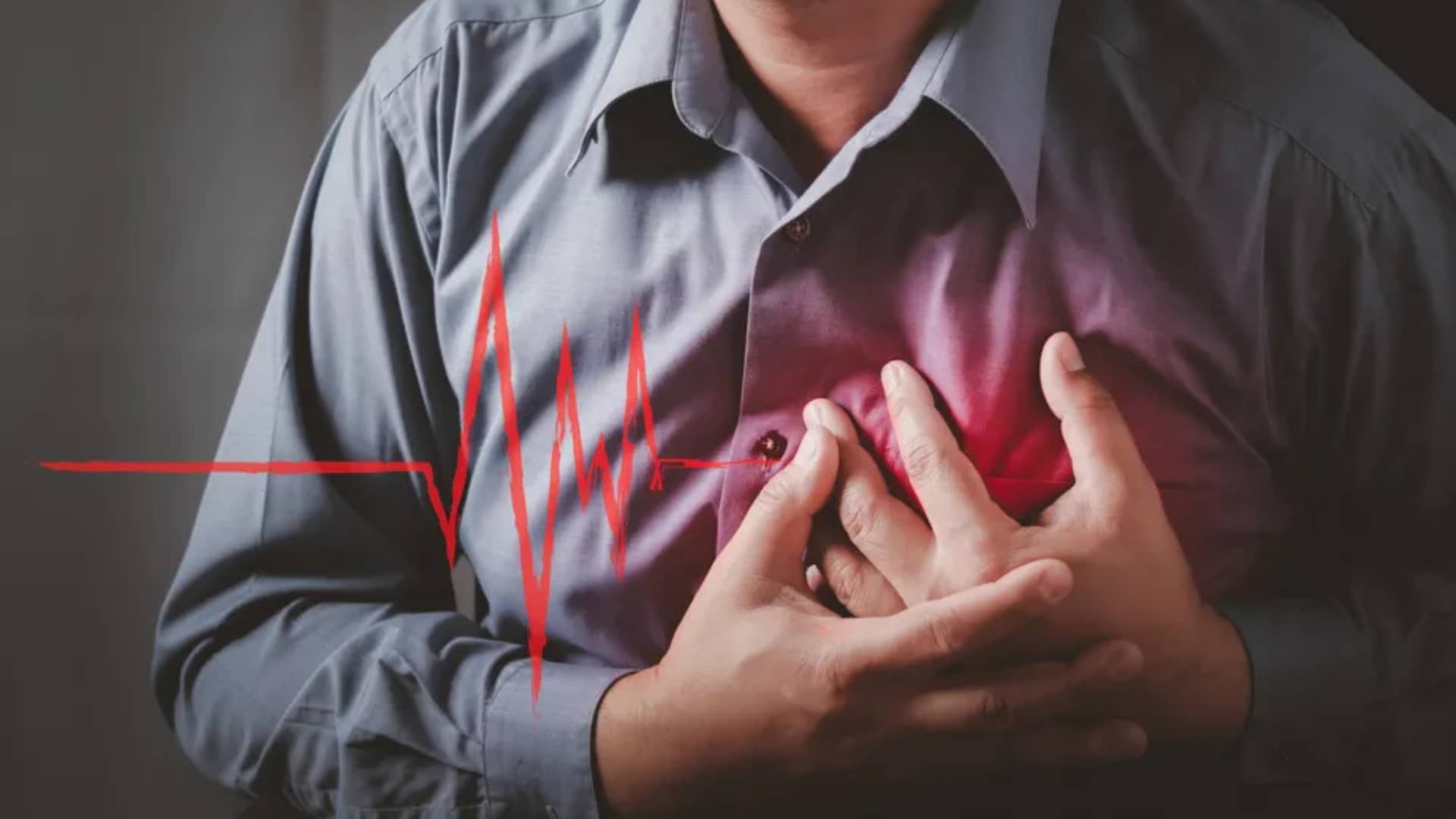
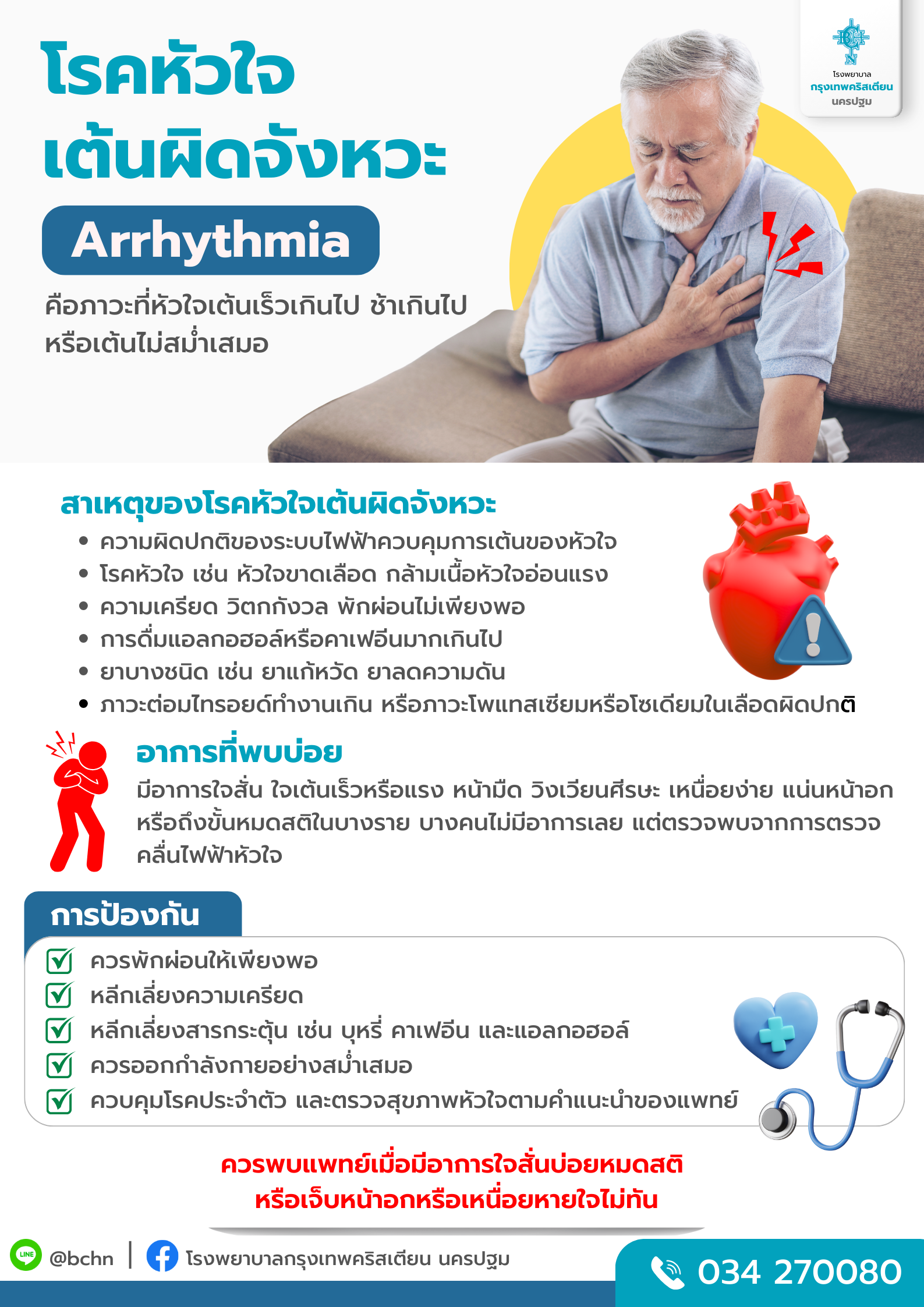
Atrial fibrillation is a condition in which the heart beats too fast, too slow, or irregularly due to abnormalities in the heart’s electrical signals. This condition can be temporary or chronic, and sometimes has no obvious symptoms, but it can increase the risk of stroke, heart attack, or heart failure.
Symptoms to watch out for
People with arrhythmias may experience palpitations, a fast or skipped heartbeat, dizziness, fatigue, shortness of breath, or loss of consciousness. In some cases, there are no symptoms at all, which makes regular heart checkups very important.
Causes and risk factors
Factors that may cause arrhythmias include high blood pressure, coronary artery disease, diabetes, thyroid dysfunction, stress, excessive alcohol or caffeine consumption, and the use of certain medications.
Heart examination and care
Our hospital currently offers portable heart rate monitoring (Holter Monitor), which can record heartbeats 24-48 hours a day, allowing doctors to accurately assess heartbeat patterns and plan appropriate treatment. This test is suitable for those who experience palpitations, dizziness, or suspect arrhythmias, even if the symptoms occur infrequently.


